

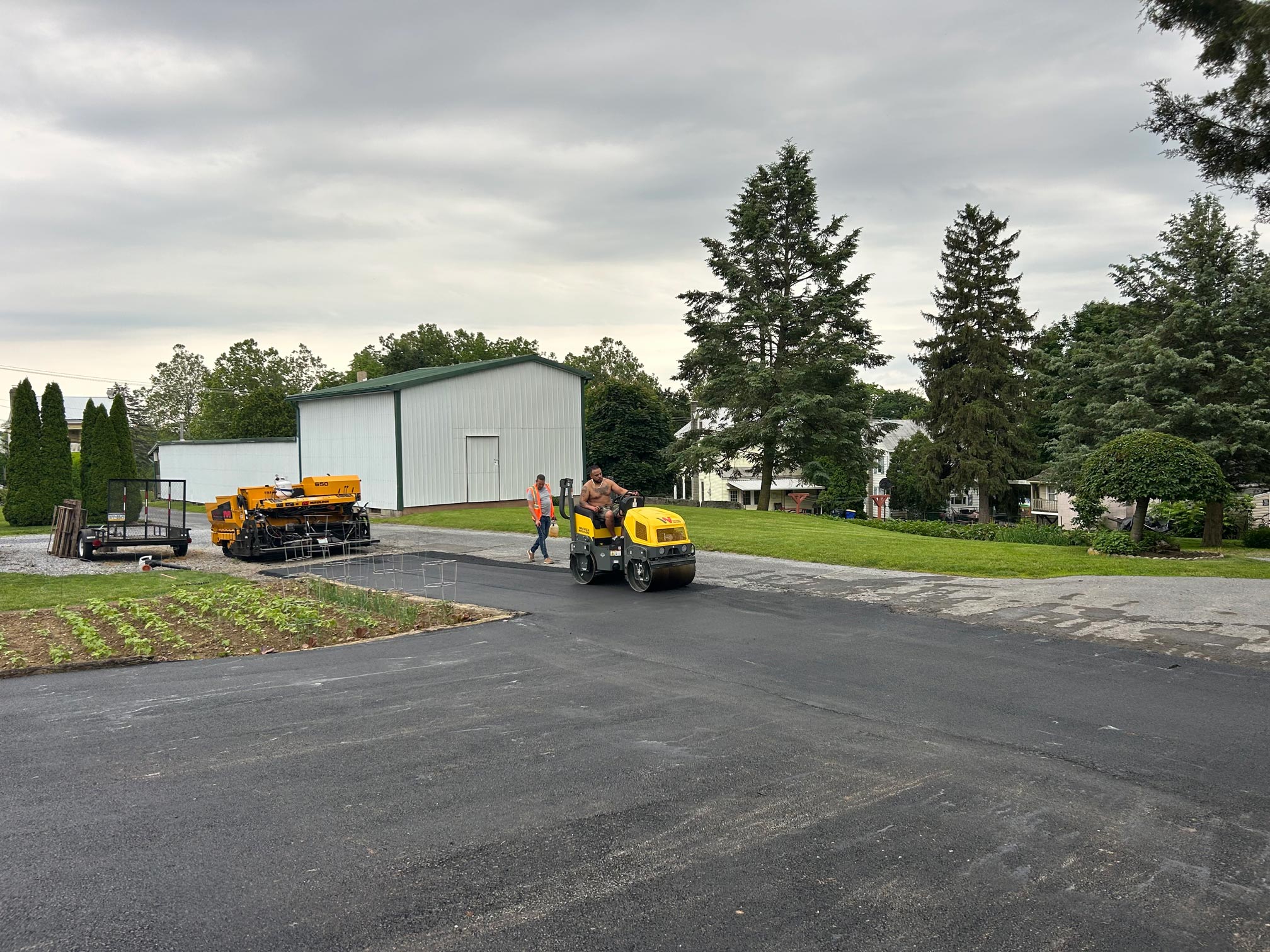
Asphalt surfaces naturally wear down over time, especially with regular traffic, weather changes, and moisture exposure. If your driveway or parking lot is cracked, faded, uneven, or starting to break apart, you may be wondering whether asphalt resurfacing or full replacement is the right solution.
Understanding the difference can help you protect your property, improve curb appeal, and avoid spending more than necessary.
What Is Asphalt Resurfacing?
Asphalt resurfacing involves adding a fresh layer of asphalt over the existing surface. It can be a smart option when the base is still stable but the top layer has visible wear, minor cracking, or surface damage.
This process can restore a smoother, cleaner look without removing the entire pavement structure. For many residential and commercial properties, asphalt resurfacing is a cost-effective way to extend pavement life.
When Is Asphalt Replacement Needed?
Full asphalt replacement is usually recommended when the pavement has deeper structural issues. Large potholes, major cracks, drainage problems, sinking areas, or widespread damage may mean the base is no longer reliable.
In these cases, simply adding a new layer will not solve the problem long term. A full asphalt paving service allows the damaged material to be removed and rebuilt properly from the ground up.
How to Choose the Right Option
The best choice depends on the condition of your pavement, the age of the surface, and how the area is used. A professional inspection can help determine whether resurfacing is enough or if replacement will provide better value.
If your driveway or parking lot is showing signs of wear, WSH Paving can help you review your options and choose the right solution. Learn more about our asphalt repair and paving services or contact us to schedule an estimate.